Breast Self-Examination
Breast cancer is one of the most common cancers among women, but early detection can save lives. A simple monthly self-examination helps women understand what is normal for their breasts so they can quickly notice any changes. This guide explains why, when, and how to do a breast self-exam correctly.
A Breast Self-Examination (BSE) is a simple, step-by-step method where a woman checks her own breasts at home to look for any unusual changes such as lumps, swelling, skin changes, or nipple discharge.
It takes only a few minutes and helps women stay aware of their breast health.
Why Is Breast Self-Examination Important?
✔ Helps in Early Detection
Many signs of breast cancer first appear as changes that women may notice themselves. Early detection increases the chances of successful treatment.
✔ Helps You Know Your Body
Regular BSE helps you understand how your breasts normally look and feel.
✔ Quick, Easy, and Free
It requires no equipment, no clinic visit, and can be done anytime at home.
When Should You Do a Breast Self-Exam?
Once every month
The best time is 2–3 days after your menstrual cycle ends, when breasts are least tender.
For women who do not have periods (pregnancy, menopause), choose a fixed date every month.
Symptoms of Breast Cancer

How to Perform a Breast Self-Examination
Step 1: Look in the Mirror
Stand undressed from the waist up and look at your breasts in the mirror. Check for:
Change in shape or size
Visible swelling
Skin changes (dimpling, rash, redness, thickening)
Change in nipple direction (pulling inward)
Any visible lump
Do this in three positions:
With arms relaxed
With arms raised overhead
With hands pressed firmly on hips (chest muscles tightened)

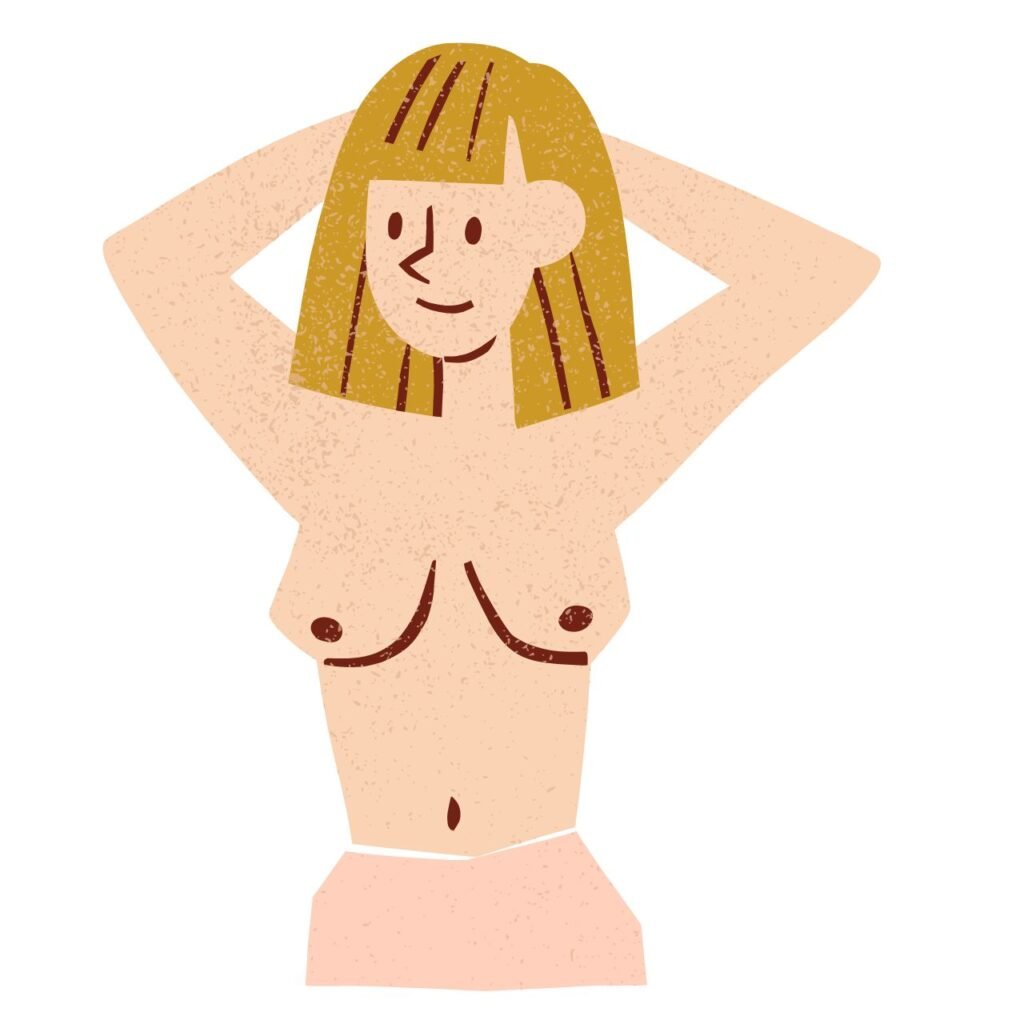
Step 2: Feel Your Breasts While Standing or in the Shower
Use the pads of your three middle fingers.
Move your fingers in:
Circular motion, OR
Up–down lines, OR
Wedge pattern (from nipple outward)
Cover the entire breast area:
From collarbone to bra line
From armpit to sternum (center chest)
Check for:
Lumps or thickened areas
Pain or tenderness
Unusual hard spots
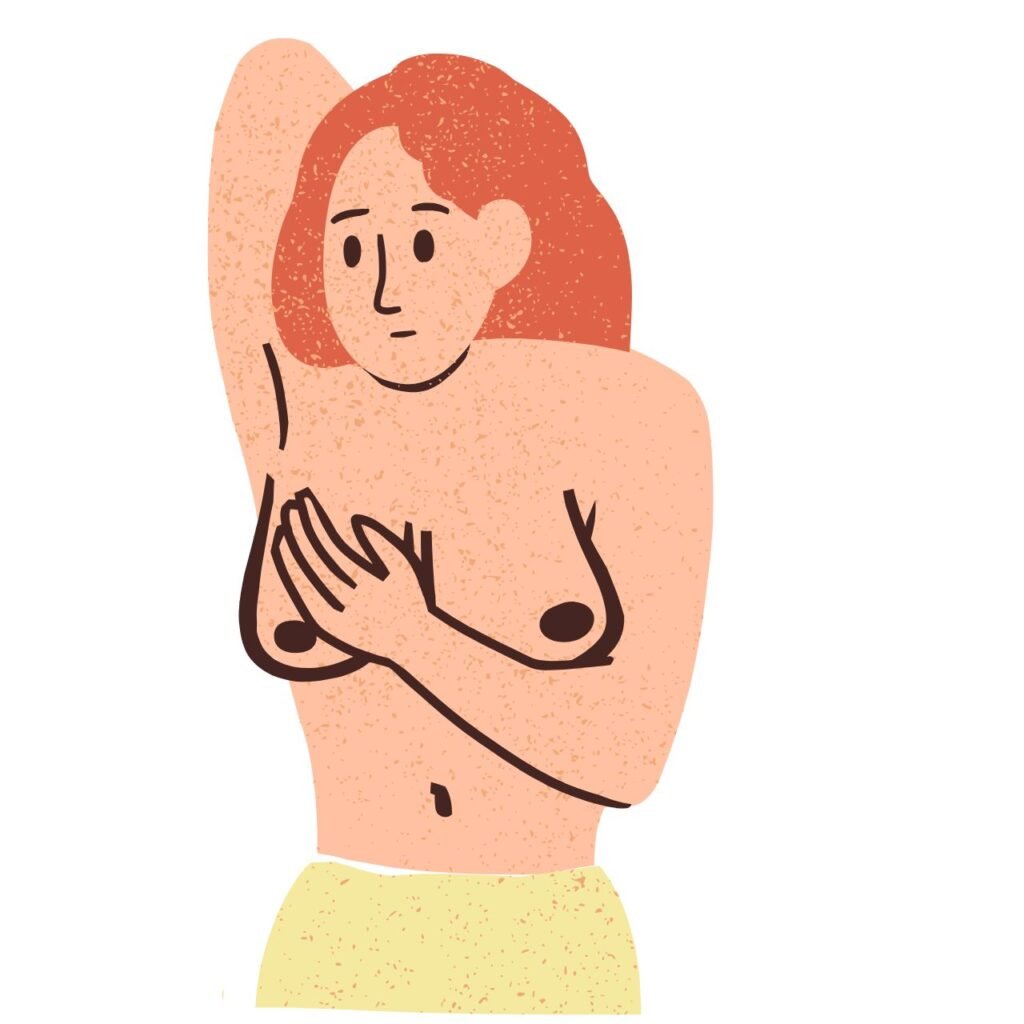
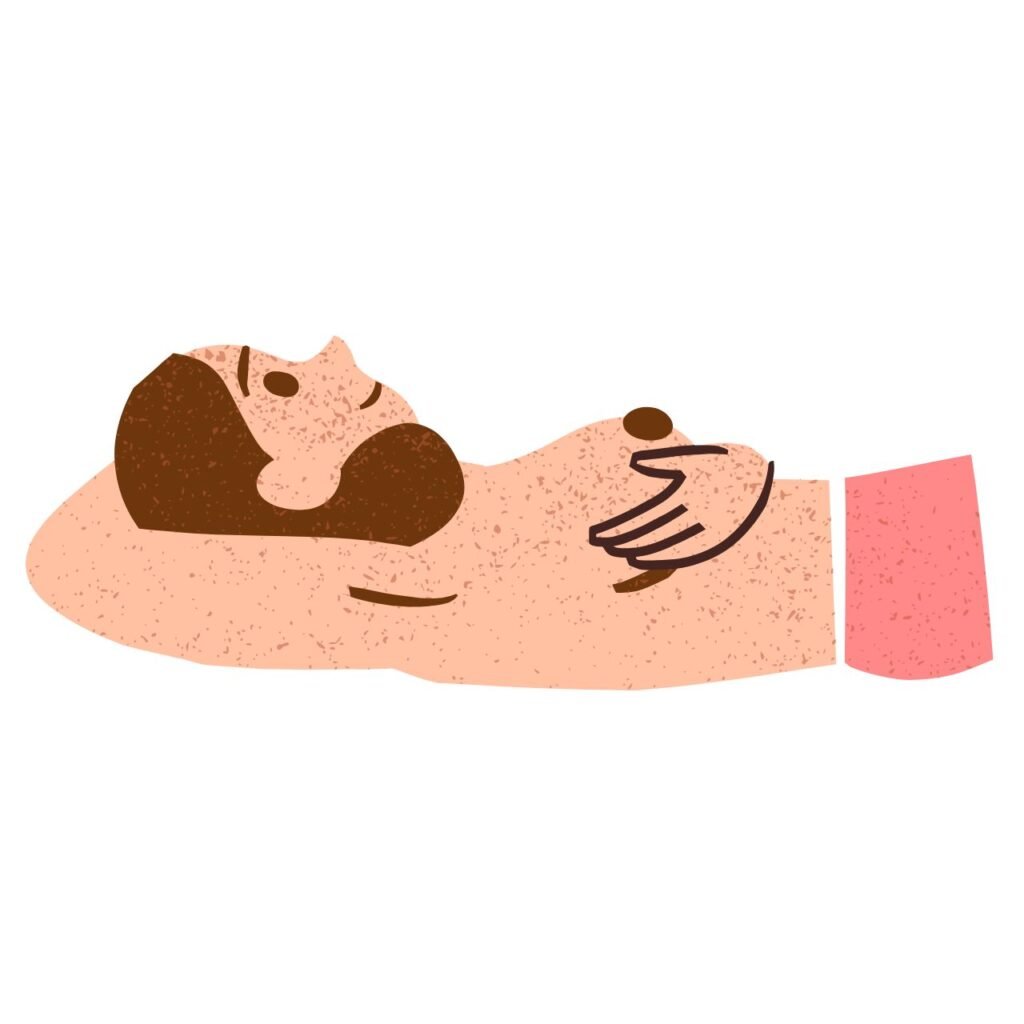
Step 3: Feel Your Breasts While Lying Down
Lie on your back; place a pillow under your shoulder.
Raise your arm behind your head.
Use your opposite hand to examine the breast.
Repeat on the other side.
This position spreads the breast tissue evenly, making changes easier to feel.
What Should You Look For?
Seek medical advice if you notice:
A lump, hard knot, or thickening
Swelling of the breast or armpit
Nipple discharge (especially blood-stained)
Skin dimpling or puckering
Nipple turning inward
Redness or rash that doesn’t go away
Pain in one spot that does not improve
Not every change means cancer—but it should be checked early.
Who Should Do BSE?
Women aged 20 and above should perform monthly BSE.
Women with a family history of breast cancer should be extra attentive.
BSE is helpful at any age, even after menopause.
Remember: BSE Is Not a Replacement for Clinical Tests
Self-examination helps you stay aware, but it does not replace:
Clinical breast examination by a gynecologist
Mammography
Ultrasound
For complete breast health:
Women 40+ should get annual mammograms (as advised)
Younger women may need ultrasound (doctor’s recommendation)